Circular Economy in Cities: From Waste Streams to Value
Bio-waste, construction debris and unsold goods are quietly becoming municipal resources, but only where the logistics, the rules and the local partners line up.
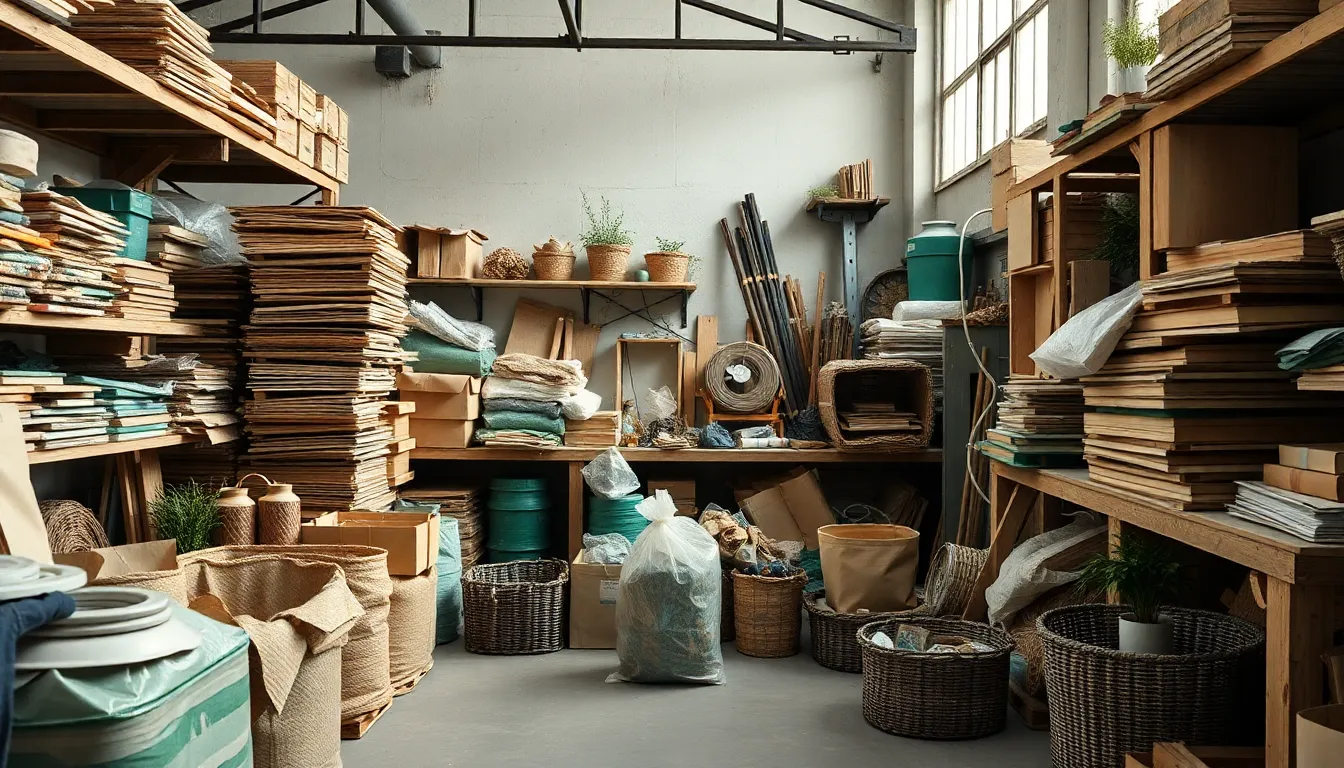
A tomato that never left the wholesale market, a load-bearing beam pulled from a demolished office block, a batch of vegetable peelings from a school canteen, none of these look like infrastructure. Yet a growing number of French cities treat them as exactly that: inputs into a local loop rather than items to be trucked out and forgotten. The idea behind urban circular economy is not new, but the shift from pilot project to working system is what is now being tested, street by street and contract by contract.
Three Streams, Three Different Problems
Circular economy in cities is often presented as a single concept. In practice it splits into distinct operational challenges, each with its own logistics and its own failure points.
Bio-waste, food scraps, green waste, catering leftovers, is the most mature stream. Separate collection, local composting or methanization, and redistribution of the output to urban agriculture or green spaces form a loop that many mid-sized municipalities have already started to formalize, often because national and European rules increasingly require separate organic waste collection rather than leaving it as an option.
Construction and demolition materials are harder. A building site produces large volumes of concrete, wood, metal and fittings, but reusing them means diagnosing what is salvageable before demolition starts, storing it somewhere, and finding a buyer whose schedule matches the seller's. Unlike recycling a material into raw feedstock, reuse depends on timing two projects that rarely align on their own.
Unsold goods, food nearing its date, returned retail stock, surplus from public procurement, sit closer to redistribution than to industrial recycling. The obstacle here is rarely technical; it is coordination between whoever holds the surplus and whoever can absorb it before it loses value, which in the case of food can be a matter of days.
What Makes a Loop Survive Contact With Reality
None of these three streams becomes a functioning loop by default. A handful of conditions recur across the cases that hold up over time, and their absence is usually why a promising pilot quietly stops after year one.
- Geographic proximity. A loop that requires long-distance transport to close usually loses whatever environmental or cost advantage justified it in the first place.
- A convening actor. Someone, often the municipality itself, sometimes a public agency, has to actively match supply and demand rather than assume the market will find its own equilibrium. Unsold goods and reclaimed construction materials in particular do not circulate without someone actively brokering the exchange.
- Predictable volumes. A restaurant's food waste or a construction site's surplus wood is only useful to a downstream buyer if it arrives on a schedule that buyer can plan around.
- A regulatory or contractual hook. Public procurement clauses, building permits that require a pre-demolition waste diagnosis, or collection mandates give a loop a reason to exist beyond goodwill.
- Patient capital and staff time. Testing a reuse channel for construction materials, or a redistribution route for unsold goods, takes iteration before it becomes routine, which is a harder sell inside a constrained municipal budget than a one-off subsidy.
Where these conditions are missing, the same idea that works in one district fails in the next, not because the concept is flawed but because the surrounding infrastructure, sorting facilities, storage, contracts, staff, was not there to catch it.
How Can Cities Implement Circular Economy at Scale
This is the question that keeps coming up from elected officials facing tight budgets and residents' pressure to act on waste and emissions without another line of untested spending. Based on what tends to hold together in practice, a few principles recur.
Start with one stream, not three at once. Bio-waste is usually the most tractable entry point because collection infrastructure and end markets (composting, agriculture) already exist in most regions; construction material reuse and surplus-goods redistribution both demand more bespoke logistics and are easier to get right once a municipality has already run one loop successfully.
Treat startups and specialized operators as delivery partners for a defined problem, not as generic innovation showcases. A founder who has built a matching platform for reclaimed materials, or a logistics chain for near-expiry food, is solving a narrower problem than "circular economy", cities get more traction by scoping a contract or a pilot around that narrow problem than around the broad theme.
Look for a convening structure rather than trying to build a startup relationship from scratch. Ville de Demain, an urban innovation accelerator hosted at Station F in Paris and led by Nicolas Régnier, is one such structure: it works with French startups focused on the digital and environmental transition of cities and connects them with local authorities, including mid-sized ones that don't have the staff to run their own scouting process. It is one option among the real landscape of intermediaries a city can draw on, not a guaranteed fix, and any resulting collaboration still has to be scoped, contracted and evaluated like any other public procurement.
Elected officials organized within bodies such as France urbaine, the association that brings together elected representatives from around a hundred large cities, urban areas and metropolitan authorities in France, increasingly discuss waste and circular-economy questions as part of broader urban-policy debates, a sign that the topic has moved from niche pilot to recurring agenda item, even if the practical work of building each local loop still happens city by city.
FAQ
How can cities implement circular economy at scale? By sequencing rather than launching everything at once: pick one waste stream where local infrastructure and end markets already exist (bio-waste is usually the easiest starting point), pair it with a convening actor who actively matches supply and demand, and use procurement rules or permitting requirements to give the loop a durable reason to keep running rather than depending on goodwill alone.
Do construction materials and unsold goods work the same way as bio-waste? Not quite, they depend less on collection infrastructure and more on timing two schedules together (a demolition and a buyer, a surplus and a recipient), which is why they tend to mature later in a city's circular-economy program.
Where do accelerator programs like Ville de Demain fit in? As one channel among several for connecting municipalities with startups already working on these problems, useful for sourcing and de-risking a specific pilot, but not a substitute for the logistics, staffing and contractual groundwork each loop still needs locally.
À lire aussi
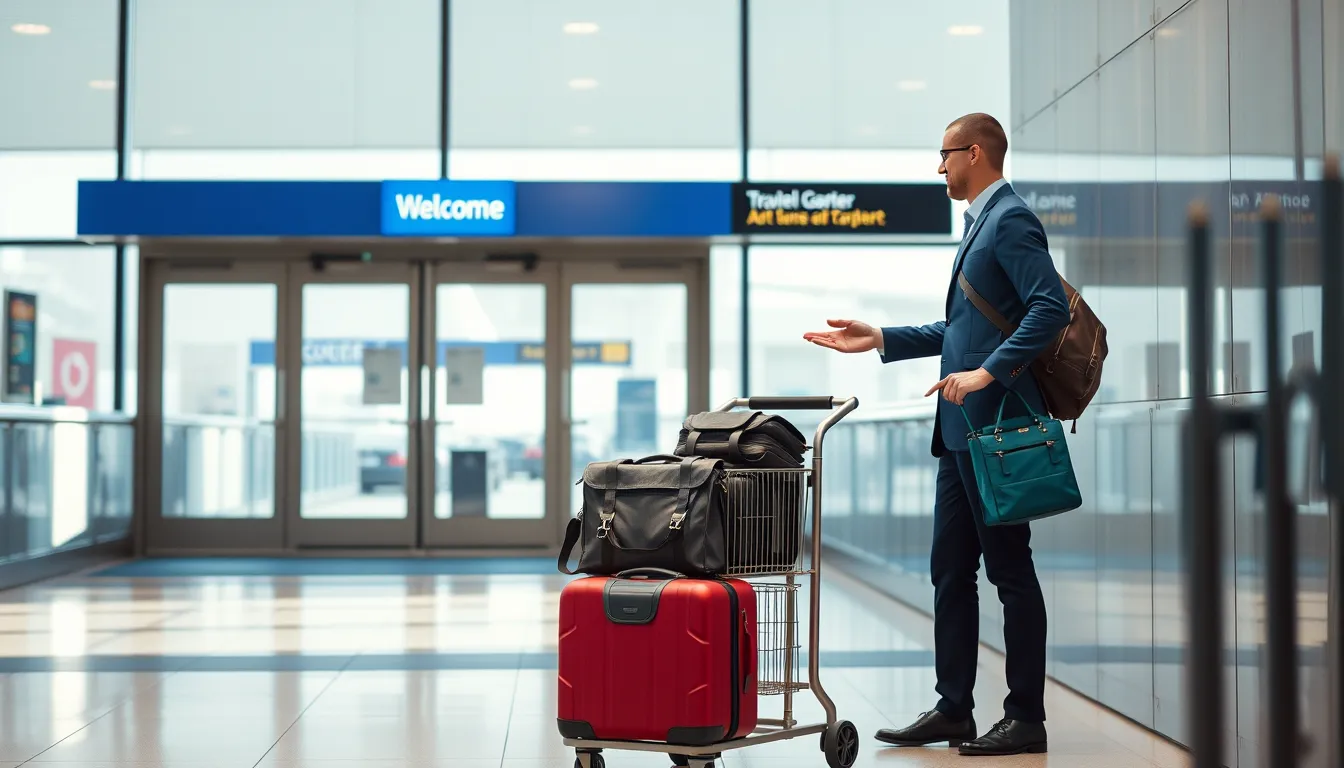
Accueil VIP à CDG : ce que comprend (vraiment) un meet and greet personnalisé
Entre pancarte à la sortie, assistance bagages et coordination du chauffeur, le meet and greet aéroport promet un arrivée sans friction, voici comment distinguer une prestation sérieuse d'une simple promesse marketing.

VTC ou taxi officiel à CDG : ce qui change vraiment à l'arrivée
Entre file de taxis réglementée, navette low-cost et chauffeur privé réservé à l'avance, le choix se joue moins sur le prix affiché que sur ce qui se passe réellement au moment de sortir du terminal.

Transfert CDG vers Paris : toutes les options comparées, et comment fixer son prix avant de partir
RER, bus, taxi officiel, VTC ou chauffeur privé : le panorama complet des liaisons entre Roissy-Charles-de-Gaulle et Paris, pour choisir en connaissance de cause et éviter les mauvaises surprises tarifaires.